How to Plan a Group Trip: Step-by-Step
Planning a group trip sounds fun until someone says "I'm flexible" and disappears for three days.
One person is excited. Two reply instantly. A few respond late. Someone never replies but still wants to come. Meanwhile, dates are floating, ideas are scattered across chats, and no one is quite sure what's actually decided.
That's where most group trips get stuck.
The easiest way to plan a group trip is not more discussion — it's better structure. Lock the group, align on dates, agree on budget, build the itinerary together, and track expenses clearly in one place.
Tools like TRYPS are built for exactly this. You share one link, everyone joins, and the planning happens in one shared flow instead of five different apps.

Quick answer
To plan a group trip without chaos:
- 1Confirm who is actually going
- 2Shortlist 2–3 destination options
- 3Lock dates using a group poll
- 4Set a realistic budget range
- 5Build a shared itinerary
- 6Assign simple responsibilities
- 7Track and split expenses clearly
- 8Finalize bookings quickly
The key is simple: reduce coordination friction. The fewer moving parts, the smoother everything becomes.
Why group trips become chaotic
Most group trips don't fail because people disagree.
They fail because everything is scattered.
One plan lives in WhatsApp. Another in someone's Notes app. Flights are discussed in one place, stays in another, and expenses somewhere else entirely. By the time you're ready to decide, no one knows what's final.
Sounds familiar — because it happens every time.
Planning a group trip isn't really about ideas. It's about keeping everyone aligned at the same time.
Confirm who is actually going
Start here, not with destinations.
You don't need perfect commitment — but you do need clarity on who's seriously in.
There's a big difference between:
- "sounds fun"
- "I'm in if dates work"
- "book it, I'm coming"
If you mix all three, planning drags.
Keep a working group of people who are actively participating. You can always add others later, but early clarity makes everything faster.
Shortlist destination options
Open-ended questions slow everything down.
Instead of "where should we go?", narrow it to 2–3 solid options.
Think in terms of:
- budget range
- travel time
- visa friction
- weather
- overall vibe
For example, a beach weekend and a ski trip aren't just different locations — they're completely different trips.
Once the options are clear, decisions become much easier.
Lock dates with a group poll
This is where most trips quietly fall apart.
Chat-based planning doesn't work here. People miss messages, reply late, or say "I'm flexible" without actually confirming anything.
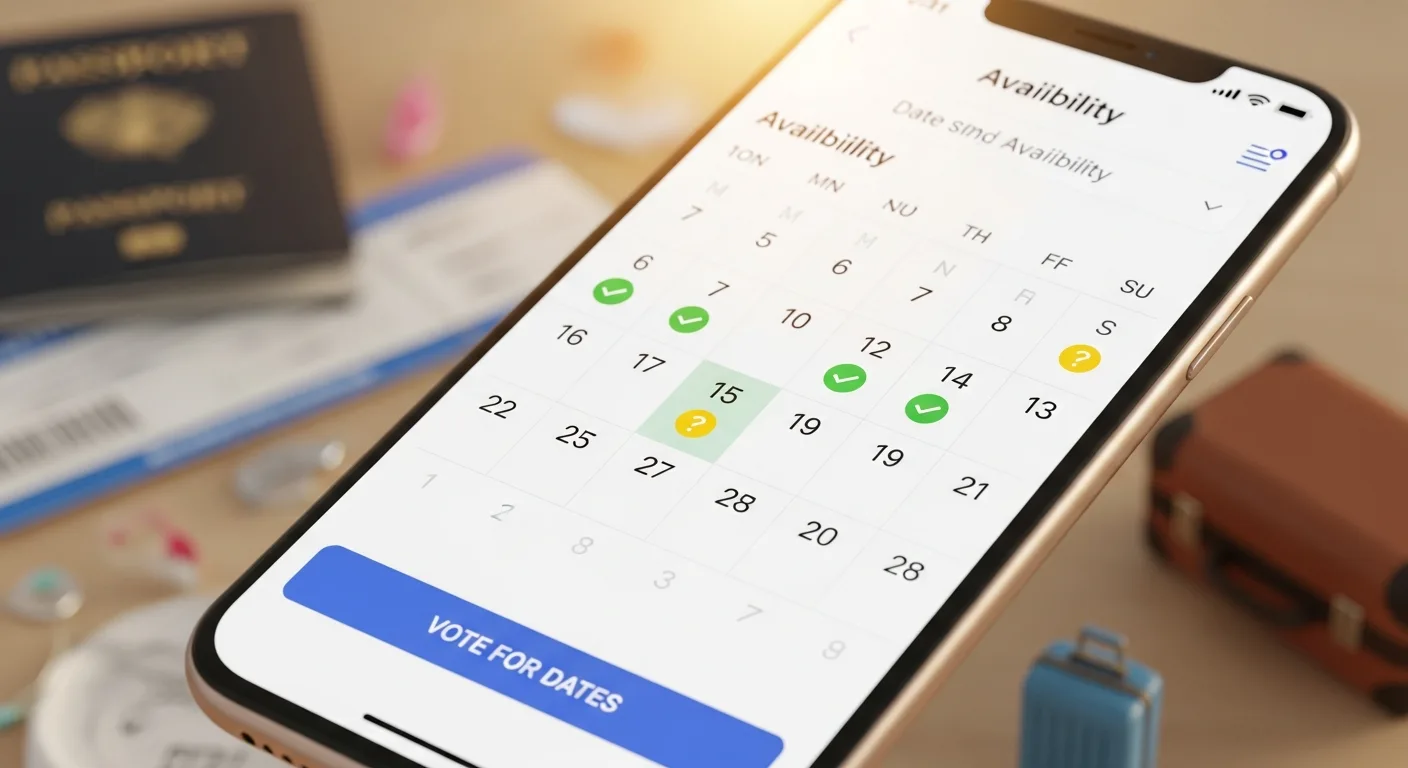
A date poll fixes this. Everyone votes. You see overlap instantly. No chasing.
In TRYPS, this happens inside the trip itself — no switching tools, no back-and-forth.
Once dates are locked, the trip becomes real.
Set the budget early
No one likes talking about money — but avoiding it is worse.
Budget misalignment is one of the fastest ways to create friction. One person is thinking premium hotels, another is thinking budget stays, and no one realizes until it's too late.
Set a rough range early:
- total spend per person
- type of stay
- key activities
- comfort vs cost trade-offs
It doesn't need to be perfect. It just needs to be aligned.
Build a shared itinerary
This is where the trip starts taking shape.
Not a minute-by-minute schedule — just a clear view of:
- where you're staying
- what the main plans are
- what's optional
- what's already booked
The goal is alignment, not control.
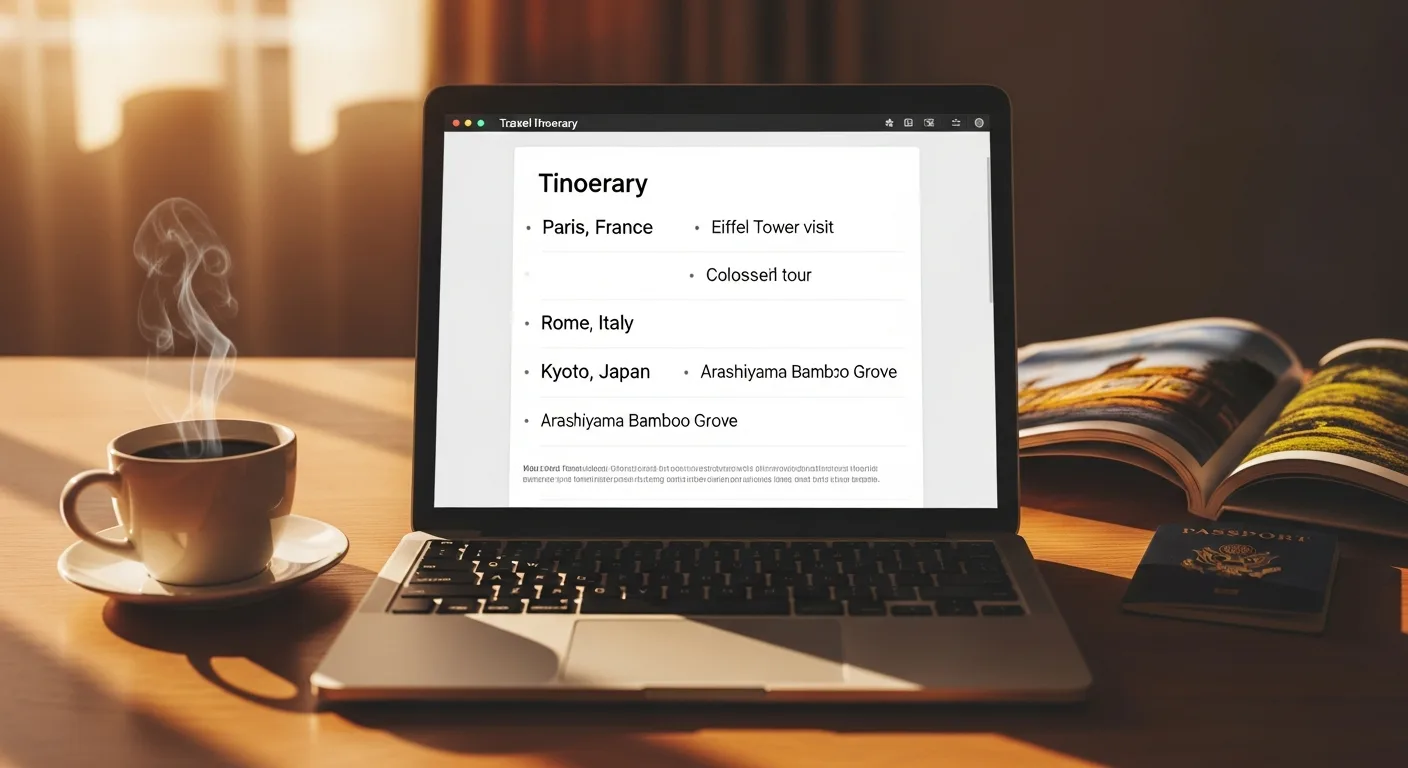
TRYPS lets everyone see and contribute to the same plan, so there's no confusion about what's happening.
Assign responsibilities
If one person does everything, things slow down.
Instead, split simple roles:
- flights
- accommodation
- activities
- local logistics
It's not about strict ownership — it's about momentum.
People engage more when they have a role, even a small one.
Track and split expenses clearly
This is where things can get awkward if handled badly.
Someone pays for dinner. Someone else books the stay. A few costs are forgotten. By the end, no one is sure who owes what.
And then comes the "we'll settle later" phase — which rarely goes well.
The fix is simple: track expenses as they happen.
- log costs immediately
- keep everything visible
- avoid reconstructing later
TRYPS keeps this inside the same trip flow, so you're not jumping between planning tools and expense apps.

Finalize bookings and move
Once dates, budget, and plans are aligned — don't wait.
This is where momentum matters. Confirm:
- flights or transport
- accommodation
- key reservations
- arrival details
The longer you wait, the more things drift again.
Decisions lose energy if they're not followed by action.
Common mistakes to avoid
Starting with too many people
More people means more coordination and slower decisions.
Keeping everything in chat
Chats are great for talking, not for organizing.
Delaying date decisions
Until dates are locked, nothing else really moves.
Skipping the budget conversation
Unspoken assumptions always surface later.
Using too many tools
Every extra tool adds friction and confusion.
The easiest way to plan a group trip today
The easiest system is the one with the least setup.
- one link to invite
- one place to plan
- one flow for decisions
TRYPS is designed around this. You send a link. Your friends join. You vote on dates, build the itinerary, and track expenses — all in one place.
No downloads. No setup. No switching between tools.
For most friend trips, that's the difference between "we should go" and actually going.
Final takeaway
Group trips don't fail because they're complicated.
They fail because coordination is messy.
Once everything is visible and shared, decisions happen faster, plans stay clear, and the group actually follows through.
Keep it simple: define the group, lock the dates, align on budget, build the plan, and track expenses in one place.
Frequently asked questions
How far in advance should you plan a group trip?
+
For shorter trips, one to three months works. For international or larger groups, three to six months is safer.
What is the easiest way to decide dates for a group trip?
+
Use a date poll. It's faster and more reliable than chat discussions.
How do you split expenses fairly on a group trip?
+
Track expenses as they happen and keep balances visible. Avoid settling everything at the end.
What should a group trip itinerary include?
+
Travel dates, accommodation, major activities, and key logistics everyone needs to know.
What is the best app for planning group trips?
+
The best tools combine date coordination, itinerary planning, and expense tracking in one place so the group stays aligned.
Plan together without the usual chaos
If your group is tired of chasing messages, spreadsheets, and scattered plans, TRYPS gives you one place to coordinate everything — dates, itinerary, and expenses — without the friction.
Start planning with TRYPS